In many salons, cutting cuticles is a reflex. At M&A Nail Design in Rezé, we never do it — and here's exactly why.
What is the cuticle, exactly?
The cuticle is dead epidermal tissue that naturally forms at the junction between skin and nail plate. Its biological role is to seal that junction and prevent bacteria and fungi from entering.
Don't confuse the cuticle (dead tissue) with the eponychium (living tissue). The eponychium is the visible skin at the edge of the nail — cutting into it bleeds, hurts, and opens the door to infection.
The risks of cutting
Cutting cuticles weakens the nail's natural barrier. Short-term: micro-cuts, irritation, infection risk. Long-term: cuticles grow back thicker and faster — forcing more frequent salon visits.
Our protocol: push, never cut
We first apply a urea-based softening serum to the cuticle. After a few minutes, we gently push the dead tissue back with a wood or bevelled metal cuticle pusher — never scissors, never a cuticle nipper.
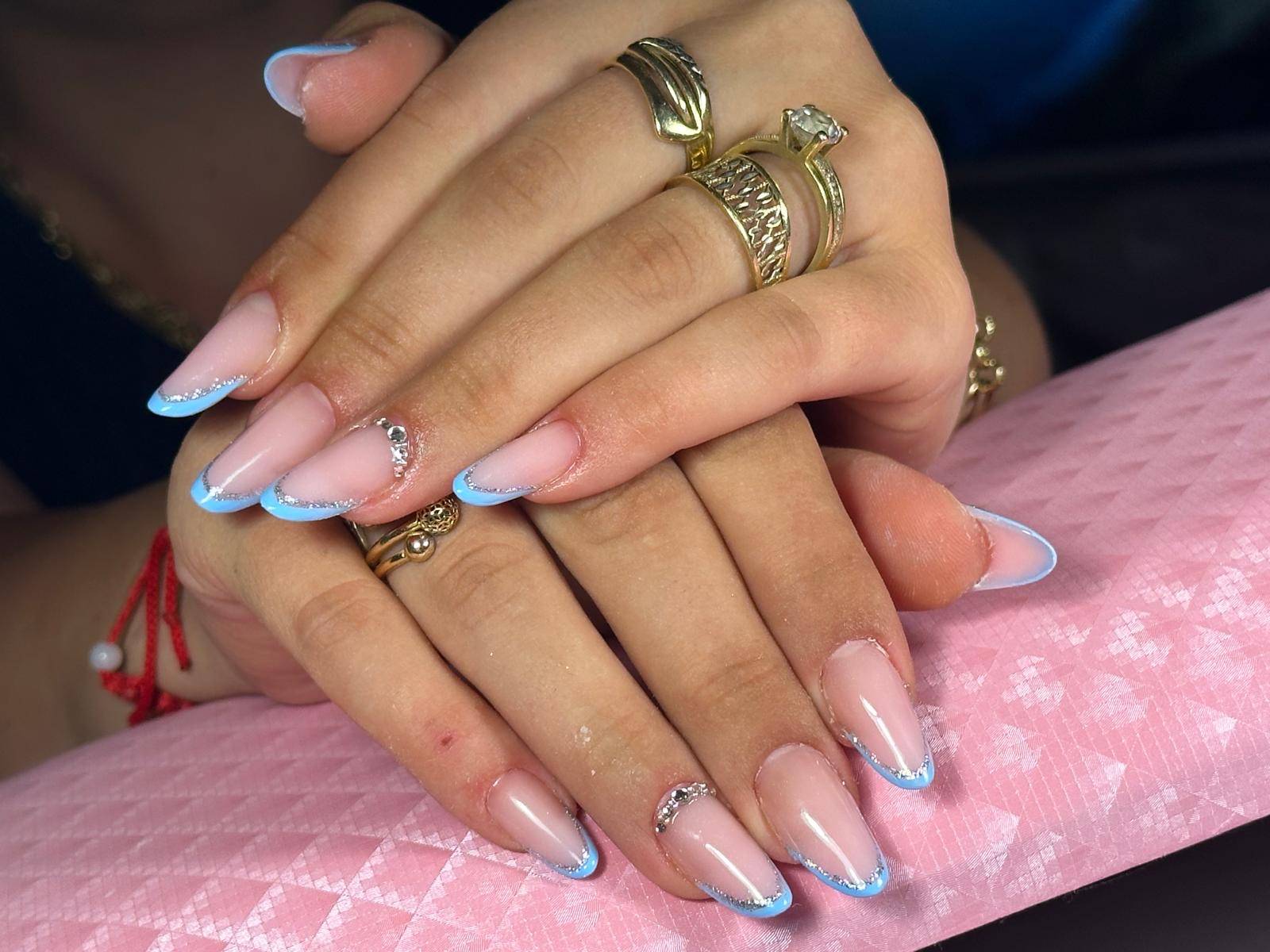
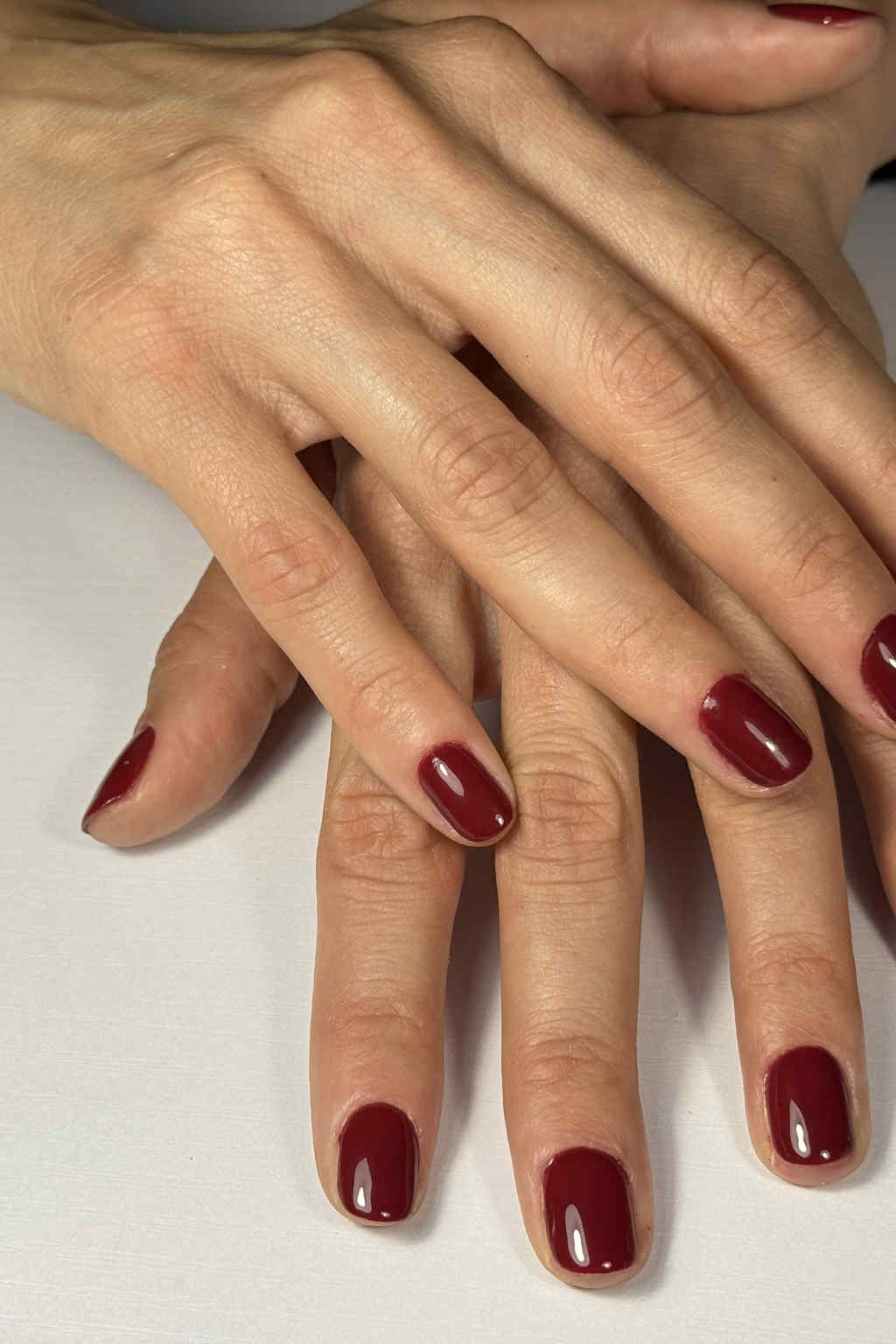
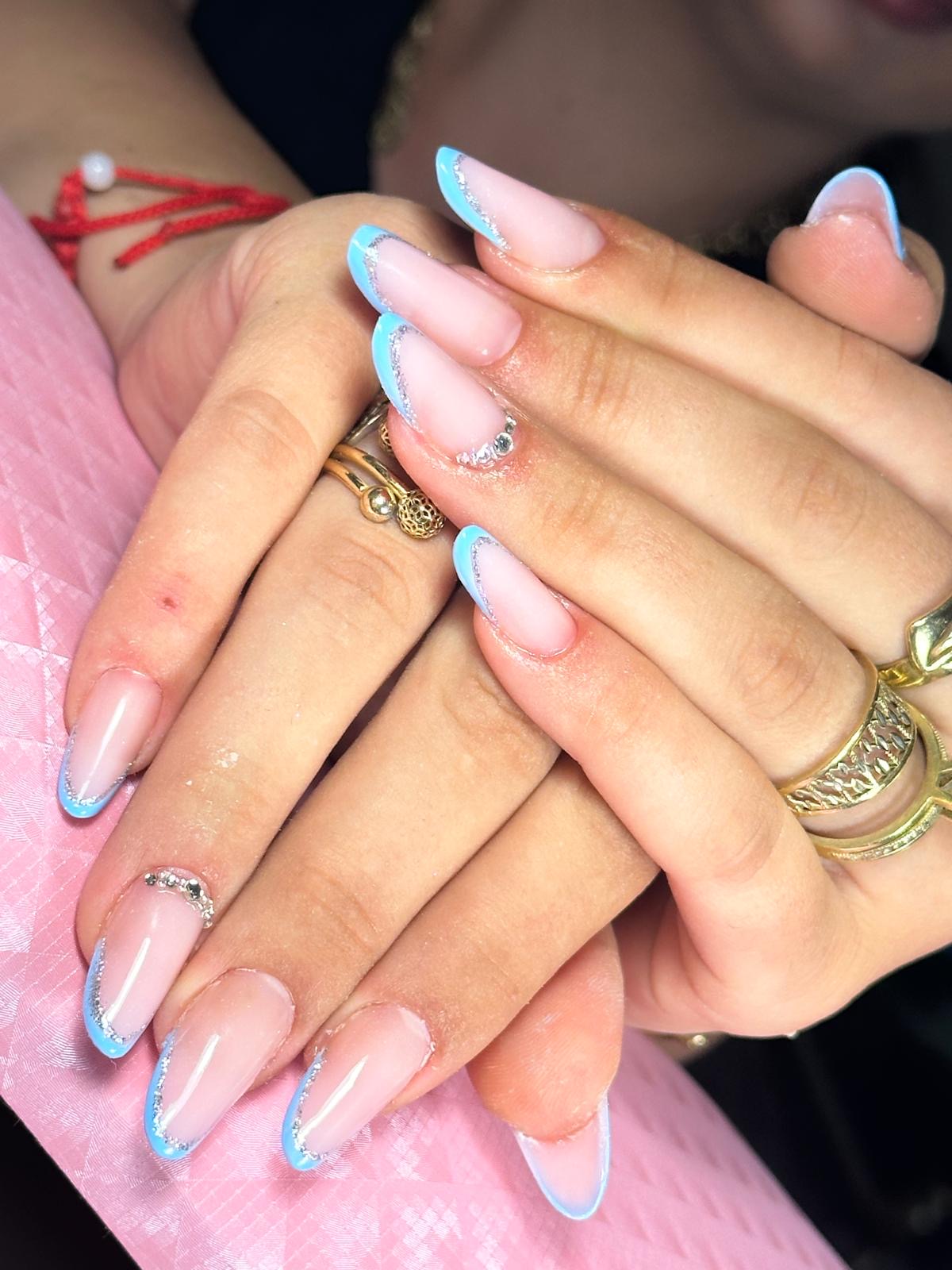
The result is immediate and lasting: the nail looks longer, gel adhesion improves, and the junction stays healthy.
How to care for your cuticles at home
The simplest and most effective treatment: cuticle oil. One drop per nail, every evening, massaged in circular motions. In two weeks you'll see a visible difference.
What this changes for your wear time
A well-maintained cuticle allows gel to bond directly to the nail plate, with no gap between skin and product. That gap is what causes edge lifting — the primary cause of premature separation.
By adopting a regular cuticle care routine, our clients see an average of one extra week of wear on their semi-permanent or gel nails.
FAQ – Cuticles and nail care
Q: Can I push back my cuticles at home? A: Yes, with a wooden pusher and urea serum — never scissors.
Q: How often should I apply cuticle oil? A: Every evening, one drop per nail. Two weeks to see a visible difference.
Q: My cuticles grow back fast. Why? A: Because they've been cut. Stop cutting, hydrate daily — they calm down in 4 to 6 weeks.
Q: Does rubber base help cuticles? A: Indirectly — reduces lifting that pulls at the cuticle.
Q: Is cuticle care included in the service? A: Yes, at M&A: softening and gentle pushing at every appointment.
Care for your nails at M&A Nail Design
Professional cuticle care is included with every service at M&A Nail Design in Rezé. Nails that grow better, a set that lasts longer. Book online — Monday to Saturday.
What you'll notice after 3 appointments with us
Clients who follow our cuticle care routine for several months consistently notice the same changes: a cleaner nail-to-skin junction, a set that adheres better across the full nail surface, and a significant reduction in hangnails. This isn't a coincidence — it's the direct result of regular maintenance and a gentle push-back technique.
The cuticle is living tissue. Cutting it forces it to regenerate thicker and faster with each cycle. Gently pushing it back after a warm soak, or with an orange-wood stick, preserves its protective role while keeping a neat appearance. This is one of the foundations of our protocol at M&A Nail Design in Rezé.
Our cuticle treatments included with every appointment
Every appointment at M&A Nail Design includes a cuticle treatment following our protocol: softening, gentle push-back, and a final moisturising step with nourishing oil. This step — often rushed in 30 seconds at other salons — is a key part of our application process.
If you'd like personalised advice on between-appointment care — oil type, application frequency, products to avoid — just ask at your next visit. Book your slot on our booking page.
Taking care of your cuticles is a long-term investment that shows over time. After a few months of regular routine, the area is neater, sets hold better, and your nails appear longer even without extensions. Come and ask us anything at your next appointment at M&A Nail Design, Rue Charles Rivière, Rezé.
Our cuticle care protocol at M&A Nail Design in Rezé includes: softening with an emollient, gentle push-back with an orange-wood stick, and a final moisturising step with nourishing oil. At home, we recommend cuticle oil applied every evening. Clients who follow this routine notice in under 3 months that their sets last longer and the area around the nail looks neater. A cut cuticle regenerates thicker — the opposite of what you want. If you have questions about oil type or application frequency, ask us at your appointment. Our salon: Rue Charles Rivière, 44400 Rezé.
A cut cuticle regenerates thicker with each cycle — the opposite of what you want. Our protocol at M&A Nail Design Rezé: softening, gentle push-back with an orange-wood stick, moisturising with nourishing oil. At home: cuticle oil (jojoba, sweet almond, argan) every evening. Visible results in under a month of regular use. Our salon: Rue Charles Rivière, 44400 Rezé.